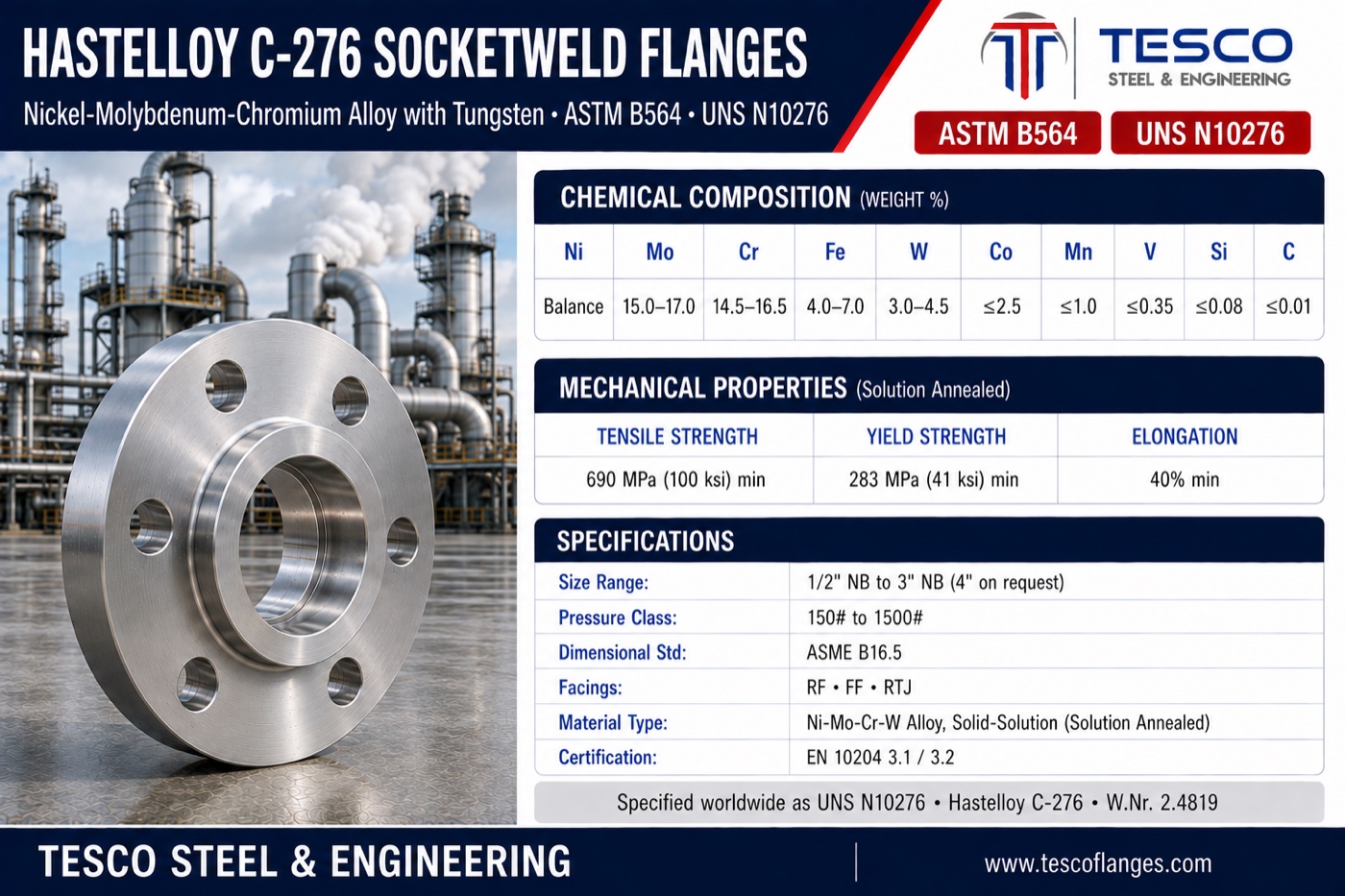
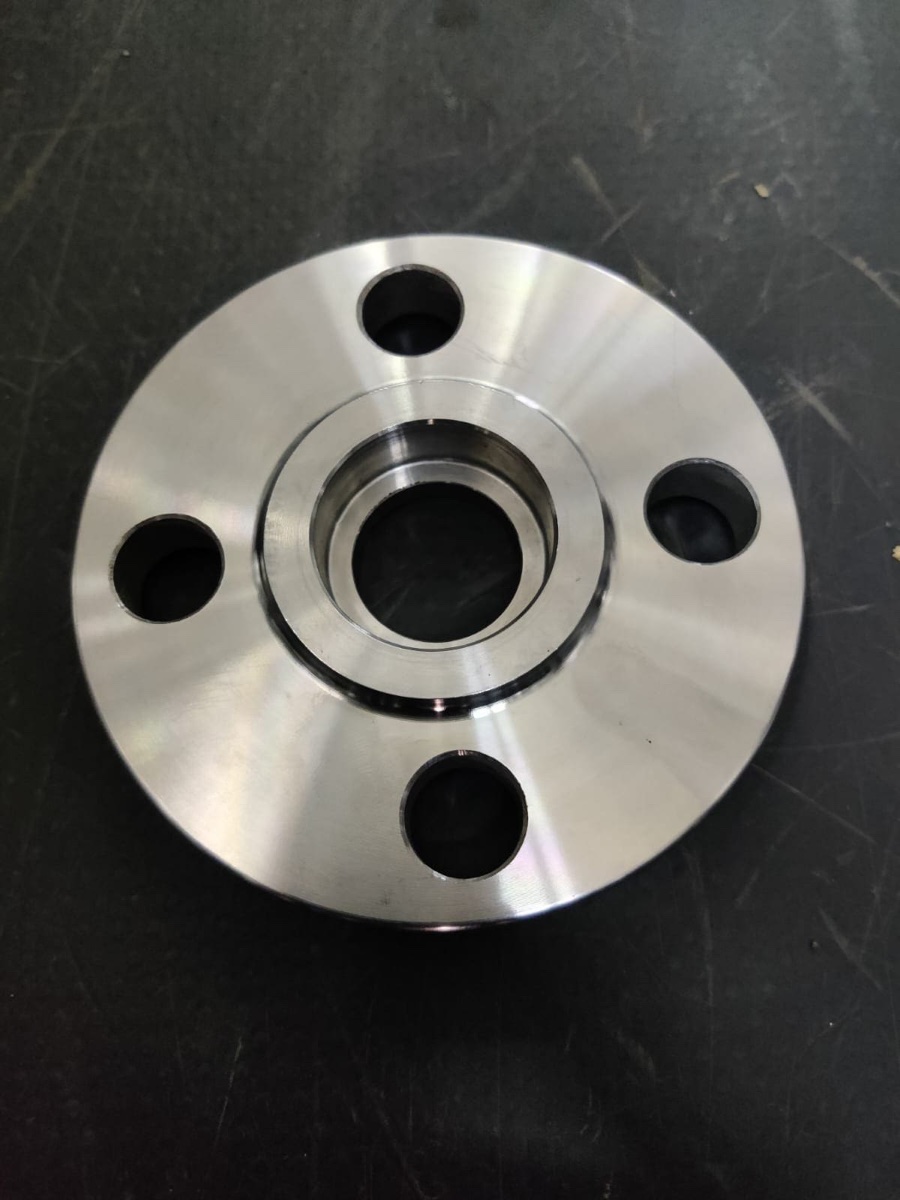
Tesco Steel & Engineering manufactures Hastelloy C-276 socketweld flanges — the reducing frontier: ASTM B564, UNS N10276, W.Nr. 2.4819 — to ASME B16.5 from ½″ to 3″ NB in Classes 150–1500. This is where the site's acid ladder ends: a nickel balance carrying 15–17% molybdenum — double 625's dose, five times 825's — with 3–4.5% tungsten beside it, so the metal holds in boiling HCl, hot sulphuric, wet chlorine and FGD condensates after every film-former below it has retired. The second signature is the crushed impurities: C ≤0.01% and Si ≤0.08% — the 1965 fix that turned old Alloy C into a piping material — so welded joints go into boiling-acid service as-welded: no preheat, no PWHT, no post-weld anneal. The honest splits are below: hot nitric and oxidising media go the other way — toward chromium and the balanced sibling C-22; offshore strength stays with 625; and the cheaper rungs — 825, Alloy 20, 904L — serve more duties than the last rung's reputation admits. Welded with matching ERNiCrMo-4. Facings: SWRF, SWFF, SWRTJ. Every lot with EN 10204 3.1/3.2 MTC. ISO 9001:2015, made in Mumbai, India — exported to 50+ countries.
Hastelloy C-276 · B564 · N10276 · 2.4819Mo 15–17% + W 3–4.5% — The Monster PairBoiling HCl · Wet Chlorine · FGDC ≤0.01% — As-Welded Service690 / 283 MPa · 40% ElongationWhere the Acid Ladder EndsASME B16.5 ½″–3″ · Class 150–1500EN 10204 3.1 / 3.2 · ISO 9001:2015
Hastelloy C-276 Socketweld Flanges — Specifications at a Glance
What is a Hastelloy C-276 Socketweld Flange?
The last rung in the small-bore pattern. A forged Hastelloy C-276 flange (ASTM B564 / UNS N10276 / W.Nr. 2.4819) with a machined socket: pipe seated square by geometry, one external fillet weld — no preheat, no PWHT, as-welded corrosion service — through-bore matched to the pipe schedule. Mo 15–17% with W 3–4.5% keeps the metal noble where no passive film survives: boiling HCl, hot sulphuric, wet chlorine, scrubber condensates. C ≤0.01% and Si ≤0.08% keep the weld HAZ clean — the fix that made the chemistry fabricable. Tensile ≥690 MPa, yield ≥283 MPa, elongation ≥40% — the series' most ductile certificate. Sized by ASME B16.5 at ½″–3″ NB, Classes 150–1500; EN 10204 3.1 on every lot.
The reducing frontier — where films fail, the metal holds
This page
The rule of the ladder, from its top: climb only as far as the chemistry forces you — and when the enquiry reaches this rung, send the medium, concentration and temperature: at this altitude, data beats slogans.
What the Monster Pair and the Crushed Carbon Buy
Nobility Without a Film
Mo 15–17% + W 3–4.5% make the matrix itself noble and sluggish to dissolve — the defence that keeps working in boiling HCl and hot reducing sulphuric, where every passive film on the ladder below has already stripped.
The Tungsten — Unique in This Series
The only deliberate tungsten on the site: molybdenum's heavier partner pushes pitting and crevice temperatures in hot chlorides beyond practically any service the flange will meet.
The As-Welded Revolution
C ≤0.01%, Si ≤0.08% — nothing left to precipitate in the HAZ. Old Alloy C needed a post-weld solution anneal; C-276 goes into boiling acid as-welded — the 1965 fix that made the chemistry a piping material.
Honesty About the Other Direction
Hot nitric and strongly oxidising media are not its game — the modest chromium that serves the reducing bench is thin armour there. That duty goes to chromium-rich grades and the balanced sibling C-22.
Hastelloy C-276 Chemical Composition (UNS N10276)
Element
Ni
Mo
Cr
Fe
W
Co
Mn
V
Si
C
Weight %
Balance
15.0–17.0
14.5–16.5
4.0–7.0
3.0–4.5
≤2.5
≤1.0
≤0.35
≤0.08
≤0.01
The molybdenum-tungsten pair is the engine; the crushed carbon and silicon are the weldability. The chromium is deliberately modest — enough for mixed and mildly oxidising moments without diluting the reducing defence — and the 4–7% iron is a deliberate range, easing manufacture. PMI confirms the unmistakable Mo-W signature on every piece.
Mechanical Properties (Solution Annealed)
Property
ASTM B564 N10276 Requirement
Tensile Strength
≥ 690 MPa (100 ksi) — the heavy Mo-W solution stiffens the matrix well past ordinary annealed nickel alloys
Yield Strength (0.2%)
≥ 283 MPa (41 ksi)
Elongation
≥ 40% — the most ductile certificate in this series: gummy, tough, forgiving
Condition
Solution Annealed (~1120 °C, rapid quench) — furnace records certified
Temperature Span
Cryogenic to a few hundred degrees in practice — an aqueous alloy by design; 600–800 °C dwell ages it (mu/P phases); the fire belongs to other families
Rating
B16.5 nickel-alloy tables govern the joint — gasket-limited before metal-limited; stated per class on our quotations
One Socket, Three Facings — Chemical-Plant Practice
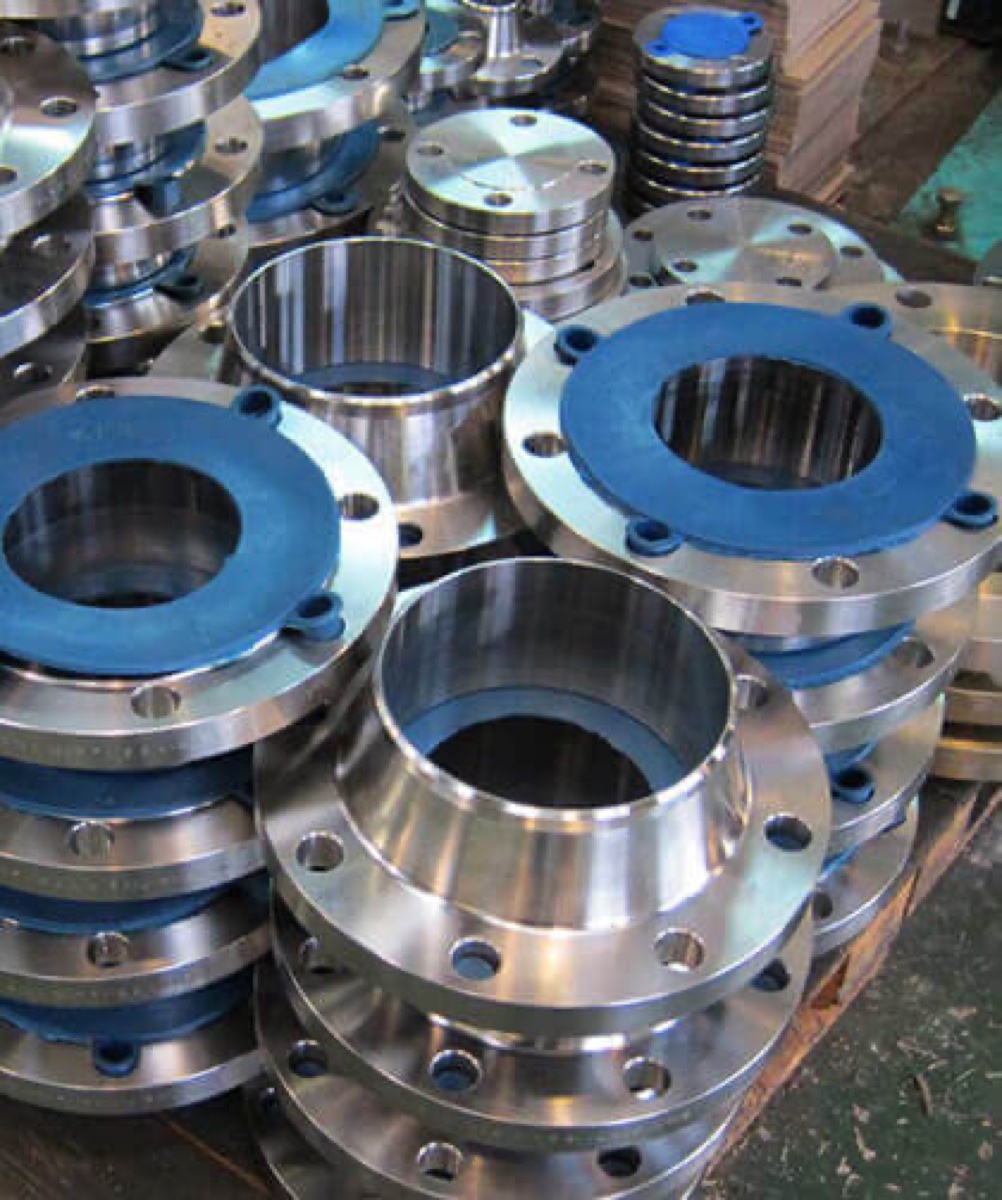
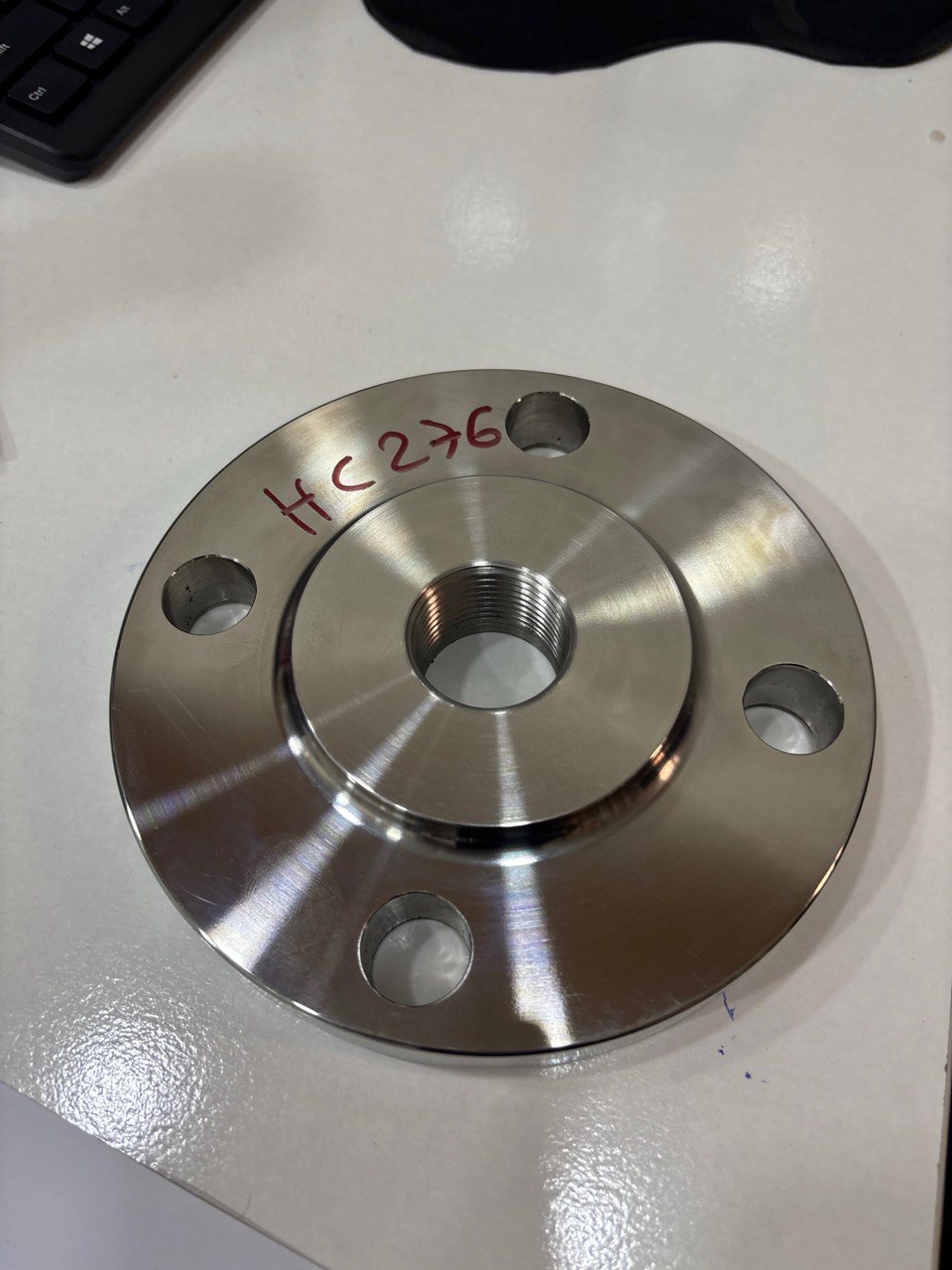
Aggressive-chemistry plants live on lined equipment — SWFF against rubber, glass and FRP mates is everyday C-276 practice. State the mate and medium; gasket guidance rides with the quotation. NPT-tapped variants are machined and certified at the works.
Hastelloy C-276 Socketweld Flange Specifications
Hastelloy C-276 Socketweld Flanges are available in the following specifications:
Material Grade
Hastelloy C-276, ASTM B564 (UNS N10276), W.Nr. 2.4819 — certificates carry the designations your documentation uses
Heat Treatment
Solution annealed (~1120 °C, rapid quench) with furnace records certified
Size
1/2"NB to 3"NB per ASME B16.5; 4″ and larger to order; EN 1092-1 patterns to order
Class
150#, 300#, 600#, 900#, 1500# (900# shares 1500# dimensions in most sizes) — chemistry duty lives in 150/300
Facings
Raised Face (SWRF), Flat Face (SWFF), Ring Type Joint (SWRTJ) with groove per B16.20
Bore
Socket bore to pipe OD; through-bore matched to pipe schedule
Welding
Single external fillet with 1/16″ expansion gap; matching ERNiCrMo-4 filler; as-welded corrosion service — no preheat, no PWHT, no post-weld anneal; sulphur-clean practice
Service Span
Boiling HCl, hot sulphuric and phosphoric, wet chlorine and hypochlorite, FGD condensates, mixed acid-chloride liquor; hot nitric to the chromium grades and C-22; offshore strength to 625; cheaper duties down the ladder — see the notes
Tension & chemistry per heat; PMI on every piece — the Mo-W signature confirmed; socket depth and bore gauged
Certification
EN 10204 3.1 with solution-anneal records (standard) / 3.2 witnessed
Specification Notes — Getting Alloy C-276 Sockets Right
Four honest notes.Hot nitric goes the other way: strongly oxidising acids favour chromium, not molybdenum — even lean high-chromium stainless outperforms C-276 in pure hot nitric, and the balanced sibling C-22 exists for swinging chemistry. The cheaper rungs serve more than the last rung's reputation admits:825 for sour breadth, Alloy 20 for named sulphuric, 904L on price — our quotation names the lowest rung that honestly serves. Offshore strength-plus-seawater stays with 625: C-276's premium buys reducing chemistry, not certificates. And keep it wet: 600–800 °C dwell precipitates mu/P phases — this is an aqueous alloy; the fire belongs to other families.
How Our Hastelloy C-276 Socketweld Flanges Are Manufactured
1
Forging — cut billet of the spectro-verified N10276 heat is hot-forged into the flange blank with full heat traceability and segregated nickel-alloy handling.
2
Solution annealing — ~1120 °C with rapid quench keeps the Mo-W solution clean and the corrosion chemistry at full strength; furnace charts retained against the heat number.
3
Machining — faces, OD and drilling to ASME B16.5 on dedicated stations with sulphur-free lubricants — the tough, gummy matrix is machined with rigid carbide discipline; socket counterbore and depth gauged piece by piece, through-bore matched to the ordered schedule.
4
Facing — RF serrations, flat face or RTJ groove per B16.20.
5
Testing & marking — tension and chemistry per heat; PMI on every piece; laser-marked with grade, size, class, schedule and heat number.
6
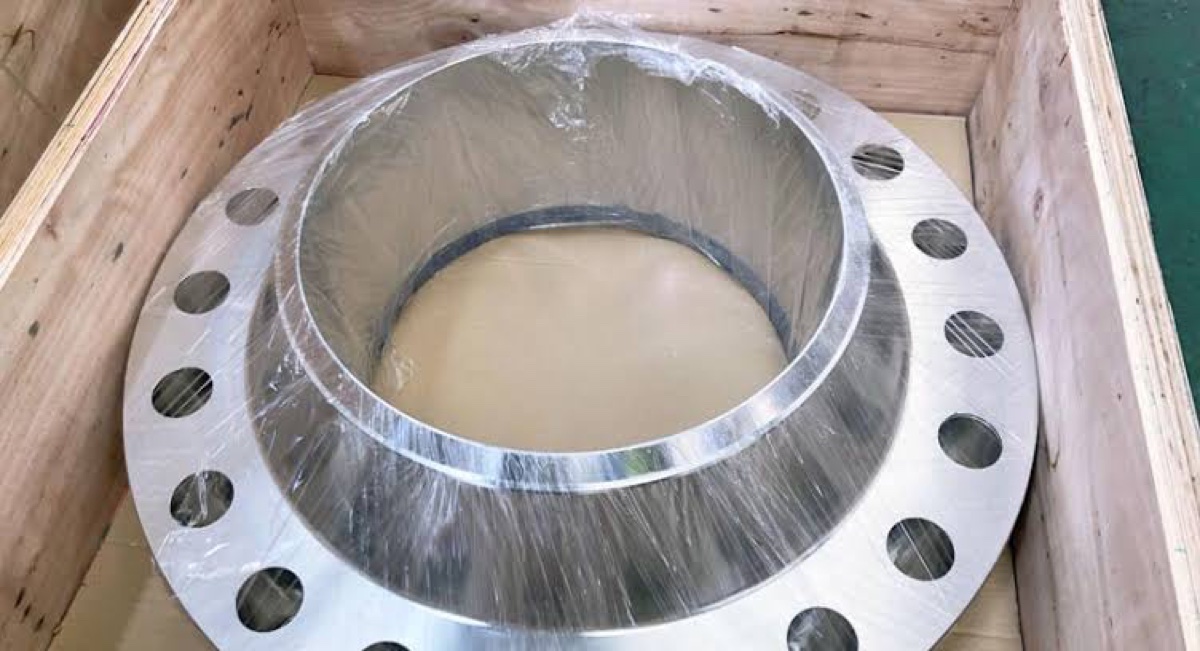
Certification & packing — EN 10204 3.1 MTC with solution-anneal records (3.2 witnessed on request); WPS guidance included; packed sea-worthy with no carbon-steel contact.
Where Hastelloy C-276 Socketweld Flanges Are Used
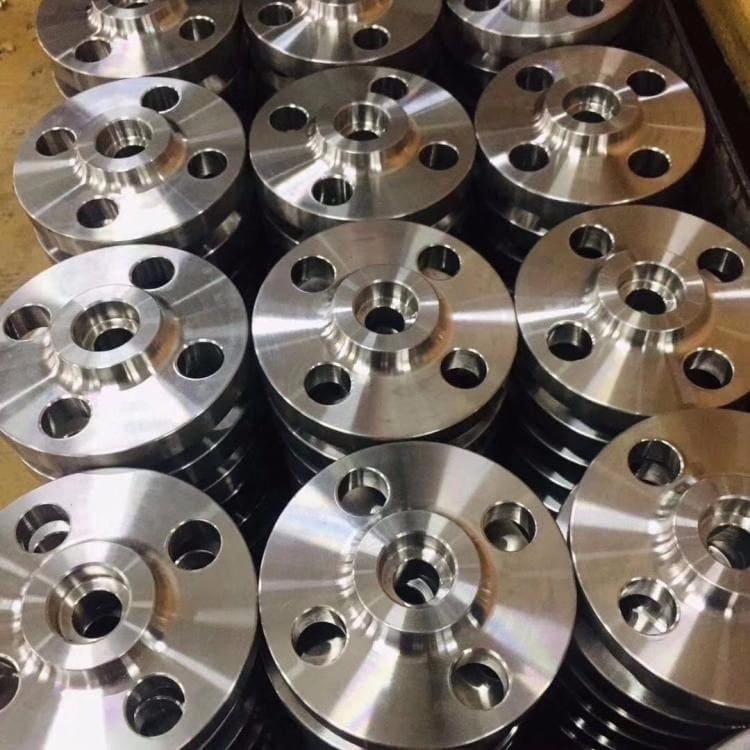
Where other alloys' data sheets run out: FGD absorber and reheater connections — the definitive modern application — hydrochloric and sulphuric acid plant small bore, wet-chlorine and hypochlorite systems in bleach and disinfection plants, pulp-and-paper bleach washers, waste-incineration scrubbers, pickling and surface-treatment liquor, pharmaceutical and fine-chemical reactors, and the mixed-liquor duties whose composition swings beyond mid-tier films. Production below:
Socket weld flange dimensions are class-governed per ASME B16.5 — identical across material grades (pressure-temperature ratings follow the nickel-alloy group). Full charts:
How to Specify & Order a Hastelloy C-276 Socketweld Flange
Six elements — at this rung, the medium is everything:
1
Size & standard — e.g. 1″ NB ASME B16.5, or DN25 EN 1092-1 to order.
2
Pressure class & facing — 150#–1500#; SWRF (the default), SWFF (lined and FRP mates — everyday practice here) or SWRTJ — with the design temperature.
3
Pipe schedule — the through-bore is matched to the pipe ID.
4
Grade line & the medium — Hastelloy C-276 / B564 / N10276 / 2.4819; the medium, concentration and temperature stated — they decide between C-276, C-22, 625 and the cheaper rungs, and our quotation names the lowest rung that honestly serves.
5
Certification — EN 10204 3.1 with solution-anneal records (our standard) / 3.2 witnessed, PMI as applicable.
A Hastelloy C-276 socketweld flange is a forged nickel-molybdenum-chromium alloy flange — a nickel balance carrying 15-17% molybdenum with 3-4.5% tungsten, 14.5-16.5% chromium and a deliberate 4-7% iron, with carbon crushed to ≤0.01%, ASTM B564, UNS N10276, W.Nr. 2.4819 — whose back carries a machined socket: the pipe end seats inside, self-aligned square to the face, and is secured with a single external fillet weld. C-276 is where this site's acid ladder ends: the alloy that holds in boiling hydrochloric, hot sulphuric, wet chlorine and scrubber condensates after every film-forming grade below it has retired. Dimensioned to ASME B16.5 for ½" to 3" NB in Classes 150 to 1500 — the last-resort chemistry grade, in the small-bore pattern.
Why is C-276 the top of the acid ladder?
Because its defence does not depend on the environment cooperating. Every rung below — 316L, 904L, Alloy 20, 825 — is a film-former: chromium builds a passive oxide, molybdenum helps it heal, and the alloy survives as long as the film does. Reducing acids attack exactly that mechanism: boiling HCl, hot dilute sulphuric and acidic chloride condensates strip passive films faster than lean alloys rebuild them. C-276 answers with brute solution chemistry — 15-17% molybdenum, roughly double 625's dose and five times 825's, with 3-4.5% tungsten working alongside — so the metal itself is noble and sluggish to dissolve even where no healthy film can exist, while the chromium still covers mixed and mildly oxidising moments. That is why FGD absorbers, bleach plants and HCl service specify it: not the cheapest answer, the one that ends the conversation.
What does the tungsten in C-276 actually do?
It is molybdenum's heavier partner. Tungsten sits in the same chemical family, one row deeper, and does the same two jobs with more mass: it makes the matrix nobler in reducing media, and it stiffens the alloy's resistance to localised attack — pitting and crevice corrosion in hot chlorides — where the combination of Mo plus W gives C-276 critical pitting and crevice temperatures beyond practically every service it meets. The 3-4.5% dose is unique in this socketweld series: no other grade on the site carries deliberate tungsten. Together the Mo+W pair also slows the alloy's dissolution under the harshest condition of all — the active state, where the metal survives on its own inertness rather than any film. One column in the table, and half the reason the grade ends the ladder.
What happened to old Alloy C — and why does C-276 weld so well?
Old Hastelloy C had the same magnificent corrosion chemistry and one fatal habit: its ordinary carbon and silicon precipitated carbides and intermetallic films in the weld heat-affected zone, which then corroded preferentially — so every fabrication had to be solution-annealed after welding, hopeless for pipework. C-276 is that alloy with the impurities crushed: carbon held at or below 0.01% and silicon at 0.08% — an order of magnitude tighter than anything else in this series, made possible by modern AOD/VOD melting. With nothing left to precipitate, the HAZ stays clean and welded joints go straight into boiling-acid service as-welded — no post-weld anneal, no preheat, no PWHT. That single fix in 1965 turned the best corrosion chemistry available into a fabricable piping alloy, and it is why the '276' certificate matters: the low carbon is the weldability.
What is the chemical composition of Hastelloy C-276 (UNS N10276)?
Nickel the balance (roughly 57%), molybdenum 15.0-17.0%, chromium 14.5-16.5%, iron 4.0-7.0% — a deliberate range, not a cap — tungsten 3.0-4.5%, cobalt ≤2.5%, manganese ≤1.0%, vanadium ≤0.35%, silicon ≤0.08% and carbon ≤0.01% — the two crushed limits that buy as-welded service. Read the design: molybdenum and tungsten are the reducing-acid engine; the chromium is deliberately modest — enough for mixed and mildly oxidising media without diluting the rest; and nothing is spent on hardening or stabilising because the impurity control does that job. Chemistry is verified per heat, PMI-confirmed on every piece — the Mo-W signature is unmistakable on the analyser — and travels on the EN 10204 3.1 MTC.
What are the mechanical properties of Hastelloy C-276 socketweld flanges?
In the solution-annealed condition ASTM B564 requires tensile strength 690 MPa (100 ksi) minimum, yield strength 283 MPa (41 ksi) minimum and elongation 40% minimum — the most ductile certificate in this socketweld series, and a usefully strong one: the heavy molybdenum and tungsten stiffen the solid solution well past ordinary annealed nickel alloys. The 40% elongation is characteristic — C-276 is gummy, tough and forgiving from cryogenic temperatures up, with no hardening treatments and nothing for fabrication to disturb. The solution anneal (around 1120°C with rapid quench) is certified with furnace records. B16.5's nickel-alloy pressure-temperature tables govern the flange rating, and the joint keeps the series' two-ceilings honesty — gasket and rating retire the bolted connection long before the metal.
What can C-276 actually take — boiling HCl and the reducing bench?
The benchmark duties read like other alloys' failure reports. Hydrochloric acid: useful resistance across the concentration range including hot and boiling dilute solutions — the classic C-276 credential no rung below it can claim. Sulphuric: broad hot-range service, including the reducing middle concentrations that punish the copper-bearing grades' upper limits. Wet chlorine gas, hypochlorite and chlorine dioxide: standard C-276 territory in bleach plants and disinfection systems. FGD: the definitive modern application — hot acidic chloride-and-fluoride condensates in scrubber outlets and reheaters, where C-276 wallpaper and hardware became the industry fix. Phosphoric, formic, acetic, mixed acid-chloride liquors: served across wide ranges. Every extreme case still deserves a concentration-temperature check on the enquiry — at this altitude, data beats slogans.
Where does C-276 honestly lose — and what is C-22?
It loses where the chemistry turns strongly oxidising. The modest 14.5-16.5% chromium that serves the reducing bench so well is thin armour against hot nitric acid and other strongly oxidising media — in pure hot nitric, even humble high-chromium stainless outperforms C-276, and chromia-rich grades own that duty. The same logic produced its own sibling: Hastelloy C-22 raises chromium to roughly 20-22.5% while trimming molybdenum, trading a little of the reducing frontier for genuine oxidising breadth — the balanced member of the C-family, with its own socketweld page here. The practical rule: known reducing service — C-276, the deeper specialist; swinging or oxidising-leaning aggressive chemistry — C-22; hot nitric itself — neither, go chromium. State the actual medium on the enquiry and the honest member answers.
Hastelloy C-276 or Inconel 625?
Neighbours at the top of the nickel bench with cleanly divided kingdoms. 625 carries 8-10% molybdenum, more chromium, the niobium that gives it an 827 MPa certificate, and its NACE-famous offshore career — where the duty stacks strength, seawater, sour gas and temperature, 625 is the complete package and C-276's extra molybdenum buys nothing worth its price. C-276 carries nearly double the molybdenum plus tungsten with deliberately less chromium — where the duty is hot reducing acid chemistry, boiling chlorides and scrubber condensates, C-276 goes on serving after 625's film has failed. The overlap is real in middling chloride service, and there price and availability fairly decide. The rule of thumb: offshore and mechanical — 625; chemical-plant last resort — C-276. Both weld with their own famous wires, ERNiCrMo-3 and ERNiCrMo-4 respectively.
When do the cheaper rungs — 825 and Alloy 20 — suffice?
Far more often than the last rung's reputation suggests, and this site's ladder exists to say so. Warm dilute-to-mid sulphuric with chlorides and sour gas — 825's breadth covers it at a fraction of C-276's cost. Named sulphuric-acid plant across its classic concentration ranges — Alloy 20 was designed for precisely that and remains the honest first answer. Mid-range mixed acids at moderate temperature — 904L stretches surprisingly far on a stainless budget. C-276's premium is earned only where those alloys' data sheets run out: boiling or near-boiling reducing acids, hot HCl in any strength, wet chlorine chemistry, FGD condensate zones, and mixed liquors whose composition swings beyond what a mid-tier film survives. Send the medium, concentration and temperature with the enquiry — our quotation names the lowest rung that honestly serves, even when it is not this page.
How is a Hastelloy C-276 socketweld flange welded?
With its own famous wire and the easiest conscience on the nickel bench. Geometry is standard: pipe bottomed in the socket, withdrawn 1/16" (1.6 mm) to leave the expansion gap, single external fillet weld — no preheat, no PWHT, and thanks to the crushed carbon and silicon the joint goes into corrosion service as-welded: the whole point of the 276 recipe. Filler is matching ERNiCrMo-4; over-alloyed C-22 type consumables appear where specs prefer them. The puddle is the nickel family's usual sluggish self — let placement do the work — and cleanliness is absolute: sulphur, lead and zinc embrittle hot nickel, so sulphur-free lubricants, dedicated brushes and no carbon-steel contact, with low-oxide shielding to protect the Mo-rich weld metal. WPS guidance travels with every supply.
How hot can Hastelloy C-276 actually go?
Hot enough for any wet duty it will ever meet — and it should stay wet. The code recognises C-276 to roughly 675°C, and short excursions trouble it little, but two honest limits shape practice. First, ageing: between roughly 600 and 800°C the heavy Mo-W solution slowly precipitates intermetallic phases (mu and P) that cost ductility and corrosion performance — the alloy is not a furnace material, and the fire belongs to the Inconels and the 800 family. Second, purpose: every rupee in this chemistry is spent on aqueous corrosion; above scrubber and boiling-acid temperatures its premium buys nothing that cheaper heat-grades lack. So the practical envelope is cryogenic to a few hundred degrees — precisely where its applications live — with the two-ceilings honesty as everywhere: B16.5 tables and the gasket govern the joint.
What sizes and pressure classes do Hastelloy C-276 socketweld flanges come in?
ASME B16.5 standardises socket weld flanges from ½" to 3" NB in Classes 150, 300, 600, 900 and 1500 — Class 900 sharing Class 1500 dimensions in most small-bore sizes — with 4" and Class 2500 made to order. C-276's order book lives overwhelmingly in Classes 150 and 300: scrubber, bleach-plant and chemical-processing small bore runs at modest pressures where the chemistry, not the rating, is the entire specification — with the upper classes appearing for high-pressure chemical and letdown duty. All three facings are available: SWRF the default, SWFF for the lined, rubber-coated and FRP equipment that aggressive-chemistry plants are full of, SWRTJ for the rare high-pressure case. Put the pipe schedule on the enquiry — the through-bore is matched to the pipe ID — and B16.5's nickel-alloy tables set the rating; our quotations state it per class.
What details are needed to get an accurate Hastelloy C-276 socketweld flange quotation?
Six elements plus commercial terms: (1) size — ½" to 3" NB; (2) pressure class — 150 to 1500, with the design temperature; (3) facing — SWRF, SWFF or SWRTJ with ring number; (4) the pipe schedule, so the through-bore matches the pipe ID; (5) the grade line — Hastelloy C-276, ASTM B564, UNS N10276 or W.Nr. 2.4819 all name the same metal — with the medium itself (acid, concentration, temperature, chlorides, oxidising or reducing) invited: at this altitude it decides between C-276, C-22, 625 and the cheaper rungs more often than price does, and our quotation names the lowest rung that honestly serves; (6) certification — EN 10204 3.1 with solution-anneal records (our standard) or 3.2 witnessed, PMI as applicable. Add quantity and destination; quotations normally within 24 hours.
Who manufactures Hastelloy C-276 socketweld flanges in India?
Tesco Steel & Engineering is an ISO 9001:2015 certified flange manufacturer based in Mumbai, India, producing Hastelloy C-276 (ASTM B564, UNS N10276) socket weld flanges from ½" to 3" NB (larger to order) in Classes 150-1500 — each forged from certified heats, solution-annealed with furnace records against the heat number, machined on dedicated nickel-alloy stations with sulphur-free lubricants, gauged socket depth and schedule-matched bore, PMI-checked — the unmistakable Mo-W signature confirmed on every piece — and laser-marked with grade, size, class, schedule and heat number. Supplied with EN 10204 3.1/3.2 certification and WPS guidance, alongside the C-22 sibling, the full acid ladder from 904L through Alloy 20 and 825, and the complete nickel-alloy socketweld range this series covers. Exported to more than 50 countries.