

TES-LOK plug valves — quarter-turn valves that use a tapered or cylindrical plug with a through-port to give fast, tight isolation and, in multi-port versions, flow diversion of instrument and process lines. Available in 2-way and 3-way configurations with vent and double-block options. SS 316, SS 304, Brass, Monel, and special alloys. Size 1/2" to 6" (15mm to 150mm). Up to 3000 PSI (207 bar). −23°C to 204°C. ISO 9001:2015 certified. Made in India.
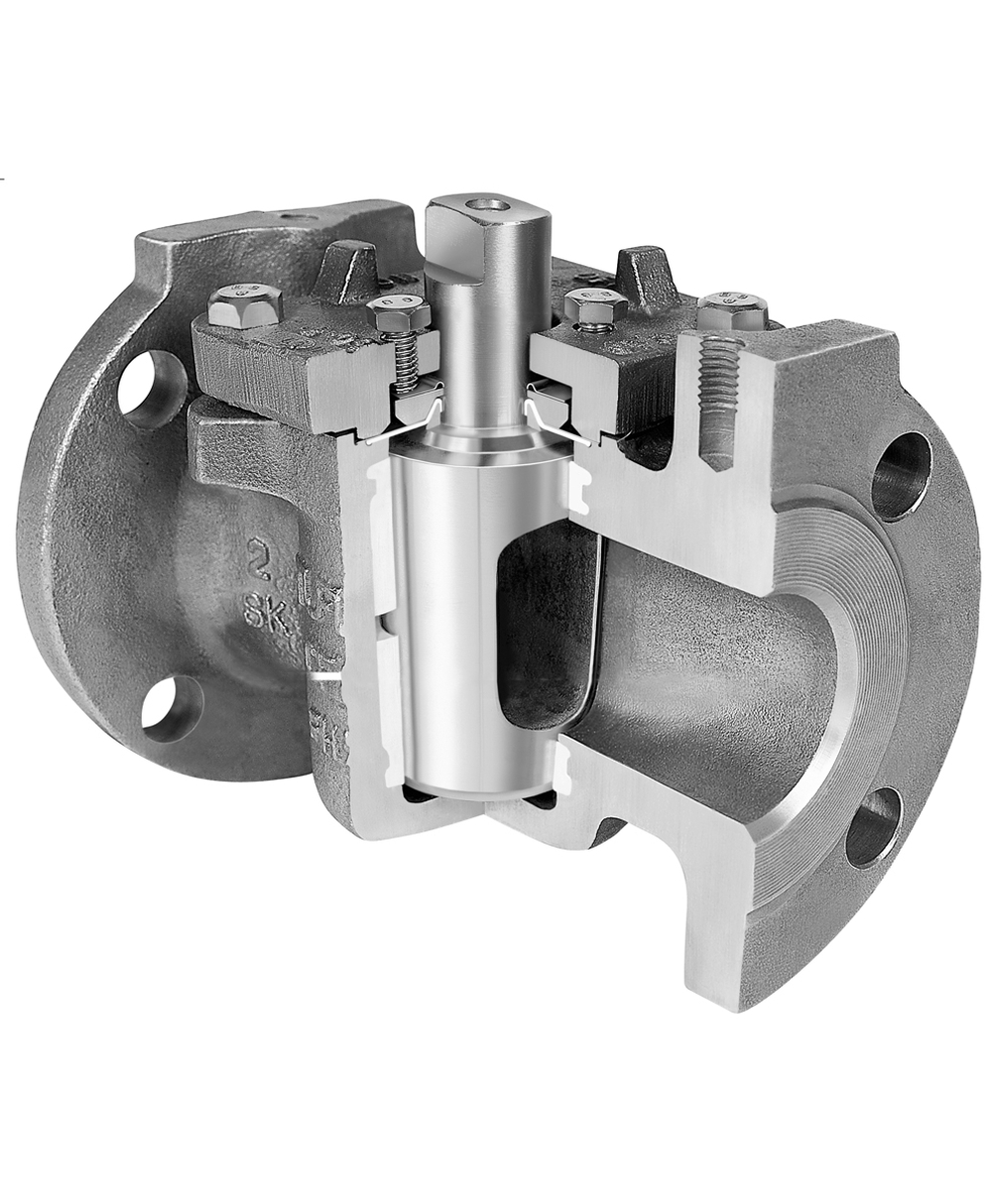
TES-LOK Plug Valve
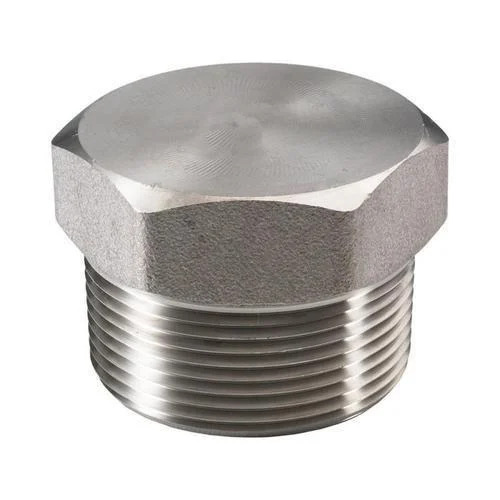
Hex Plug (Related)
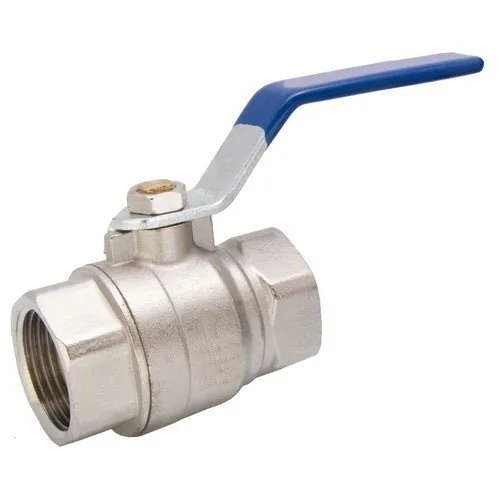
Ball Valve (Related)
Instrument plug valves are widely used to isolate pressure gauges and transmitters, switch sampling lines, and route flow on manifolds and analyser systems. TES-LOK supplies 2-way and 3-way plug valves with tube-fitting, NPT, BSP, and SAE ends, in vented and double-block configurations, across the full material range.
| Configuration | Ports | Function | Typical Use |
|---|---|---|---|
| 2-Way | In / out (straight) | Simple on/off isolation | Gauge / transmitter isolation, line shut-off |
| 3-Way | One common + two branches | Divert / select / combine flow | Switch between sample points, route to spare gauge, vent |
| Vented | 2-way + bleed | Isolate & vent trapped pressure | Safe gauge removal & calibration |
| Double Block | Two seals + bleed | Positive isolation with bleed | High-integrity instrument isolation |
| Criterion | Plug Valve | Ball Valve | Needle Valve |
|---|---|---|---|
| Closure | Tapered/cylindrical plug | Spherical ball | Tapered needle stem |
| Operation | Quarter-turn | Quarter-turn | Multi-turn |
| Function | On/off + multi-port diversion | On/off isolation | Fine throttling / metering |
| Multi-port | Yes (3-way / 4-way) | Yes (3-way available) | No |
| Best for | Fast switching & isolation, compact | Full-bore isolation, low drop | Precise flow regulation |
Use a plug valve for fast on/off and stream switching in a compact body, a ball valve for full-bore isolation, and a needle valve for fine throttling. Plug valves often appear on instrument manifolds alongside both.
| Parameter | Details |
|---|---|
| Brand | TES-LOK (Tesco Steel & Engineering) |
| Type | Quarter-turn plug valve (2-way / 3-way) |
| Size | 1/2" to 6" (15 mm to 150 mm) |
| Working Pressure | Up to 3000 PSI (207 bar) — size & material dependent |
| Working Temperature | −23°C to 204°C (−10°F to 400°F) |
| Configuration | 2-way, 3-way; vented, double-block-and-bleed |
| Plug | Tapered or cylindrical; lubricated / sleeved / soft-seated options |
| End Connections | Tube-fitting (twin-ferrule), NPT, BSP (BSPP), BSPT, UNF, SAE, ISO, flanged |
| Operation | Lever / wrench handle; locking & panel-mount options |
| Body Material | SS 316 / 316L, SS 304, Brass, Monel, special alloys |
| Options | Anti-tamper, locking, NACE MR0175 (sour), oxygen-clean |
| Certifications | ISO 9001:2015 | EN 10204 3.1 MTC on request |
| Material | Corrosion / Service | Typical Use |
|---|---|---|
| SS 316 / 316L | Excellent — chloride resistant | General instrumentation, offshore, chemical, marine |
| SS 304 / 304L | Good — general service | Water, air, mild process |
| Brass | Moderate — no ammonia/acids | Pneumatics, low-pressure water |
| Monel 400 | Excellent — HF, seawater | HF service, desalination, marine |
| Special Alloys | Application-specific | Aggressive / high-temperature media on request |
A single 90° handle motion fully opens or closes the valve — quick, positive on/off with clear visual indication of valve position.
3-way and 4-way plug patterns divert, select, or combine flow between connections, replacing multiple valves with one compact selector.
The tapered plug seals over its full conical face for bubble-tight isolation — ideal for gauge and transmitter isolation duty.
SS 304, SS 316, Brass, Monel, and special alloys, with NACE MR0175 (sour) and oxygen-clean options for demanding media.
Vented and double-block-and-bleed patterns allow trapped pressure to be released safely and instruments to be calibrated in place.
Few moving parts and a rugged body make plug valves reliable and easy to service across a wide range of instrument and process duties.
| Industry | Typical Use Point | Why Plug Valve |
|---|---|---|
| Oil & Gas / Offshore | Gauge & transmitter isolation, sample switching | Fast quarter-turn isolation; vented & NACE options |
| Refinery & Petrochemical | Analyser stream selection, manifold routing | 3-way diversion; tight shut-off; full material range |
| Power Generation | Instrument isolation & sampling | Robust, low-maintenance; positive isolation |
| Chemical Processing | Corrosive-media switching & isolation | SS 316 / Monel / special alloys; full-face seal |
| Pharmaceutical / Lab | Sample line selection & isolation | Clean SS 316; compact multi-port |
| Gas Distribution | Line isolation & flow switching | Quick on/off; tight bubble-free seal |
| Hydraulics & Test Rigs | Flow routing & isolation | Compact selector; up to 3000 PSI |
| Shipbuilding & Marine | Instrument isolation & switching | SS 316 salt resistance; reliable operation |
Q1. What is a plug valve?
A plug valve is a quarter-turn valve that controls flow with a tapered or cylindrical plug bored with one or more ports. A 90° turn aligns the port with the flow passage (open) or rotates the solid plug face across it (closed). It gives fast, tight on/off isolation, and multi-port versions can divert or combine flow between several connections.
Q2. What is the difference between a 2-way and a 3-way plug valve?
A 2-way plug valve has a single straight-through port for simple on/off isolation. A 3-way plug valve has a common port plus two branches and a bored plug pattern that lets one valve divert, select, or combine flow between connections — for example switching a gauge between two sample points or routing to a spare instrument.
Q3. How is a plug valve different from a ball valve?
Both are quarter-turn valves, but a plug valve uses a tapered/cylindrical plug that seals over its full conical face, while a ball valve uses a spherical ball with a bore. Plug valves are compact and excel at multi-port switching and tight isolation; ball valves give full-bore, low-pressure-drop flow. Both are available in 3-way configurations.
Q4. What pressure and temperature can the valve handle?
TES-LOK plug valves are rated up to 3000 PSI (207 bar), depending on size and material, with a temperature range of −23°C to 204°C (−10°F to 400°F). Sizes run from 1/2" to 6" (15 mm to 150 mm).
Q5. What is a vented plug valve, and why use one?
A vented plug valve has a bleed port so trapped pressure between the seals can be released safely before a gauge or transmitter is removed. Vented and double-block-and-bleed patterns are used on instrument hook-ups so instruments can be isolated, bled, and calibrated in place without depressurising the whole line.
Q6. What end connections are available?
Twin-ferrule tube-fitting ends, NPT, BSP (BSPP), BSPT, UNF, SAE, ISO, and flanged ends. This lets the valve integrate directly into instrument tube systems, threaded piping, and gauge/transmitter or manifold hook-ups.
Q7. Can plug valves be used for throttling?
Plug valves are designed primarily for on/off isolation and flow switching, not fine throttling. For precise flow regulation use a needle valve. Plug valves are best where fast, positive open/close and multi-port diversion are needed in a compact body.
Q8. Can these valves be supplied for sour or oxygen service?
Yes. Plug valves can be supplied to NACE MR0175 / ISO 15156 for sour (H₂S) service with compliant materials and hardness, and oxygen-cleaned for oxygen service. Specify the fluid, pressure, and temperature, and we will select the correct body, plug, seat, and seals.