

TES-LOK solenoid valves — electrically operated 2/2 and 3/2 valves that open or close a line the instant an electrical signal energises the coil, giving fast, automatic, remote control of air, gas, water, and fluids. Direct-acting and pilot-operated designs, normally-closed or normally-open. SS 316, SS 304, Brass, and special alloys. Working pressure 5 to 150 PSI. −10°C to 80°C (up to 120°C with Viton seal). Coils in 12/24 VDC and 110/220 VAC. ISO 9001:2015 certified. Made in India.
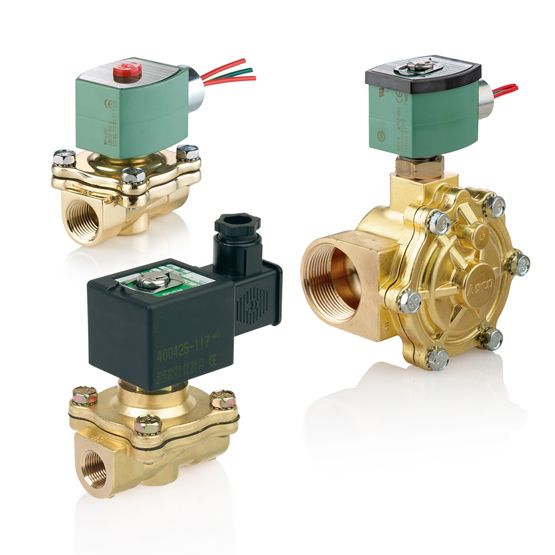
TES-LOK Solenoid Valve
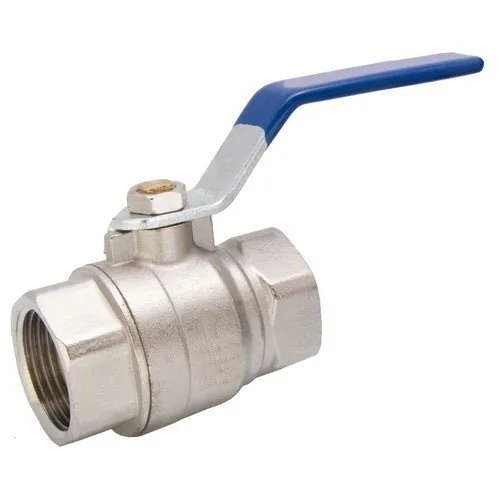
Ball Valve (Related)
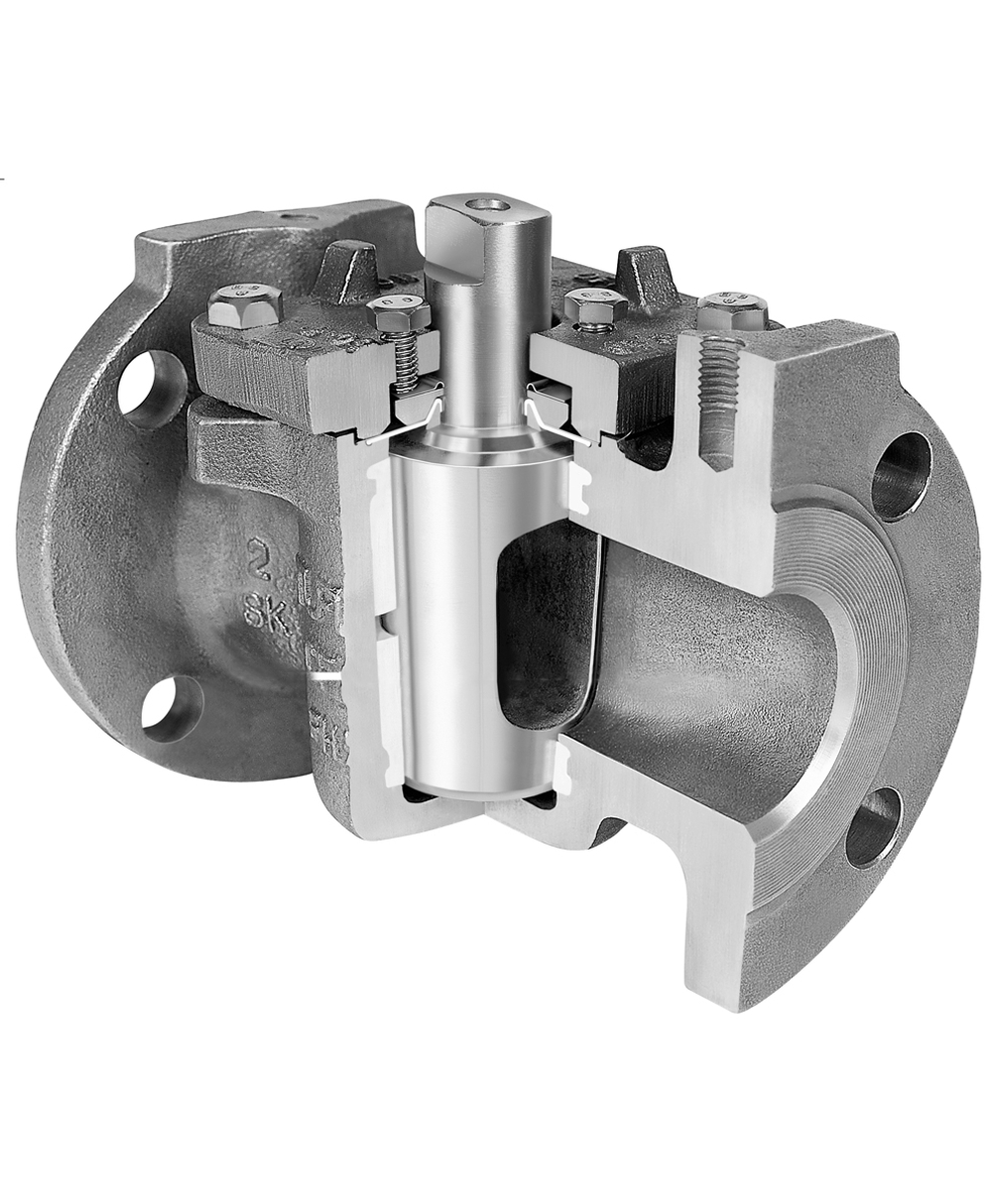
Plug Valve (Related)
Solenoid valves are at the heart of process automation, pneumatics, and fluid control. TES-LOK supplies them with NPT, BSP, and other threads, in brass and stainless bodies with NBR or Viton seals, and a full range of AC/DC coil voltages with standard or ATEx-style enclosures on request.
| Configuration | Ports / Action | Function | Typical Use |
|---|---|---|---|
| 2/2-Way | Two ports, two positions | Simple on/off of one line | Shut-off of air, water, gas, fluid |
| 3/2-Way | Three ports, two positions | Divert / vent (e.g. drive a single-acting cylinder) | Pneumatic actuation, selecting flow |
| Normally Closed (NC) | Closed when de-energised | Opens on power; fails closed | Most fluid shut-off duties |
| Normally Open (NO) | Open when de-energised | Closes on power; fails open | Lines that must stay open on power loss |
| Type | Operation | Min. Pressure | Best For |
|---|---|---|---|
| Direct-Acting | Coil moves the seat directly | Works from 0 PSI (no min. differential) | Vacuum & low-pressure, small orifices |
| Pilot-Operated (servo) | Pilot + line pressure switch main orifice | Needs a minimum differential to operate | Higher flow & larger orifices on pressurised lines |
Choose direct-acting for low/zero pressure and pilot-operated for higher flow where a working differential is always present. For purely manual on/off use a ball valve or plug valve.
| Parameter | Details |
|---|---|
| Brand | TES-LOK (Tesco Steel & Engineering) |
| Type | Electrically operated solenoid valve (2/2, 3/2) |
| Action | Normally closed (NC) or normally open (NO); direct-acting / pilot-operated |
| Working Pressure | 5 to 150 PSI |
| Working Temperature | −10°C to 80°C (14°F to 176°F); −15°C to 120°C (5°F to 248°F) with Viton seal |
| Coil Voltage | 12 / 24 VDC; 110 / 220 / 240 VAC (others on request) |
| Seal | NBR (standard), Viton/FKM (high temperature & chemical), EPDM/PTFE on request |
| End Connections | NPT, BSP (BSPP), BSPT, UNF, SAE, ISO |
| Body Material | SS 316 / 316L, SS 304, Brass, special alloys |
| Options | Manual override, DIN/plug connector, IP65 / weatherproof coil, NACE MR0175 |
| Certifications | ISO 9001:2015 | EN 10204 3.1 MTC on request |
| Seal | Temperature | Best For |
|---|---|---|
| NBR (Buna) | −10°C to 80°C | General air, water & mild fluids |
| Viton / FKM | −15°C to 120°C | Higher temperature, oils & many chemicals |
| EPDM / PTFE | On request | Steam, hot water & aggressive media |
| Material | Corrosion / Service | Typical Use |
|---|---|---|
| SS 316 / 316L | Excellent — chloride resistant | Offshore, chemical, food, marine fluids |
| SS 304 / 304L | Good — general service | Water, air, mild process |
| Brass | Moderate — no ammonia/acids | Air, water, pneumatics (economical) |
| Special Alloys | Application-specific | Aggressive media on request |
Switches flow in milliseconds on an electrical signal — ideal for PLC, timer, and remote automatic control of fluid and air lines.
Two-way on/off and three-way divert patterns, in normally-closed or normally-open action, to suit shut-off, venting, and cylinder actuation.
Coils in 12/24 VDC and 110/220/240 VAC with DIN/plug connectors and IP65 weatherproof options for any control system.
Economical brass for air and water, SS 316 for corrosive, food, and marine fluids, with NBR or Viton seals for the temperature and media.
Direct-acting for vacuum and low pressure, pilot-operated for higher flow — sized to the orifice and differential needed.
Optional manual override lets the valve be operated during commissioning or power loss without energising the coil.
| Industry | Typical Use | Why Solenoid Valve |
|---|---|---|
| Factory Automation | Air & fluid control via PLC | Fast, remote, automatic switching |
| Pneumatics | Driving cylinders & actuators (3/2) | Crisp electrical actuation |
| Water & Utilities | Dosing, filling & shut-off | Automatic on/off; brass/SS bodies |
| Chemical & Process | Fluid & reagent control | SS 316 + Viton for chemicals |
| Food & Beverage | CIP, filling & dosing lines | SS 316 hygienic; EPDM seals |
| HVAC & Refrigeration | Refrigerant & air control | Reliable cycling; NC action |
| Steam & Boilers | Steam & hot-water control | PTFE/EPDM seals; pilot-operated |
| Irrigation & Machinery | Timed water & air control | Timer/PLC driven; weatherproof coil |
Q1. What is a solenoid valve?
A solenoid valve is an electrically operated valve that opens or closes a fluid path when current energises its coil. The coil's magnetic field moves a plunger that lifts or seats against an orifice, switching flow in milliseconds. Because it responds to an electrical signal, it can be controlled remotely and automatically by a PLC, timer, switch, or controller.
Q2. What is the difference between a 2/2-way and a 3/2-way solenoid valve?
A 2/2-way valve has two ports and two positions for simple on/off of one line. A 3/2-way valve has three ports and can divert flow or vent — for example pressurising and then exhausting a single-acting pneumatic cylinder. Choose 2/2 for shut-off and 3/2 for actuation and diverting.
Q3. What do normally-closed (NC) and normally-open (NO) mean?
Normally closed means the valve is shut when the coil is de-energised and opens when powered — it fails closed on power loss, which suits most shut-off duties. Normally open is the reverse: open when de-energised and closed when powered — used for lines that must stay open if power is lost.
Q4. What is the difference between direct-acting and pilot-operated solenoid valves?
A direct-acting valve moves the seat with the coil's magnetic force alone, so it works from 0 PSI (no minimum differential) — good for vacuum and low pressure. A pilot-operated (servo) valve uses a small pilot orifice plus line pressure to switch a larger main orifice, giving higher flow but needing a minimum pressure differential to operate.
Q5. What coil voltages are available?
Standard coils are offered in 12 and 24 VDC and 110, 220, and 240 VAC, with other voltages and frequencies on request. Always confirm the coil's voltage and AC/DC type match the supply — applying the wrong voltage will burn out the coil.
Q6. What pressure and temperature can the valve handle?
TES-LOK solenoid valves operate from 5 to 150 PSI with a temperature range of −10°C to 80°C (14°F to 176°F) using NBR seals, extended to −15°C to 120°C (5°F to 248°F) with Viton seals. EPDM/PTFE seals are available for steam and aggressive media.
Q7. Which seal and body should I choose?
Use NBR seals for general air and water, Viton/FKM for higher temperatures, oils, and many chemicals, and EPDM/PTFE for steam and aggressive media. Choose a brass body for economical air and water service and SS 316 for corrosive, food, and marine fluids. Match both to the media and temperature.
Q8. Can solenoid valves be supplied weatherproof or for hazardous areas?
Yes. Coils are available with DIN/plug connectors and IP65 weatherproof enclosures, with explosion-proof/Ex-style options and manual override on request. Specify the area classification, voltage, media, pressure, and temperature and we will configure the correct valve, coil, and seals.