

TES-LOK check valves (non-return valves) — spring-loaded poppet valves that allow flow in one direction only and automatically prevent backflow, protecting instruments, pumps, and process lines. A set spring gives a defined cracking pressure and snaps the poppet shut the instant flow reverses. SS 316, SS 304, Brass, and special alloys. Size 1/2" to 6" (15mm to 150mm). Up to 3000 PSI (207 bar) @ 21°C. Cracking pressure 1/3 to 100 PSI. −23°C to 191°C. ISO 9001:2015 certified. Made in India.
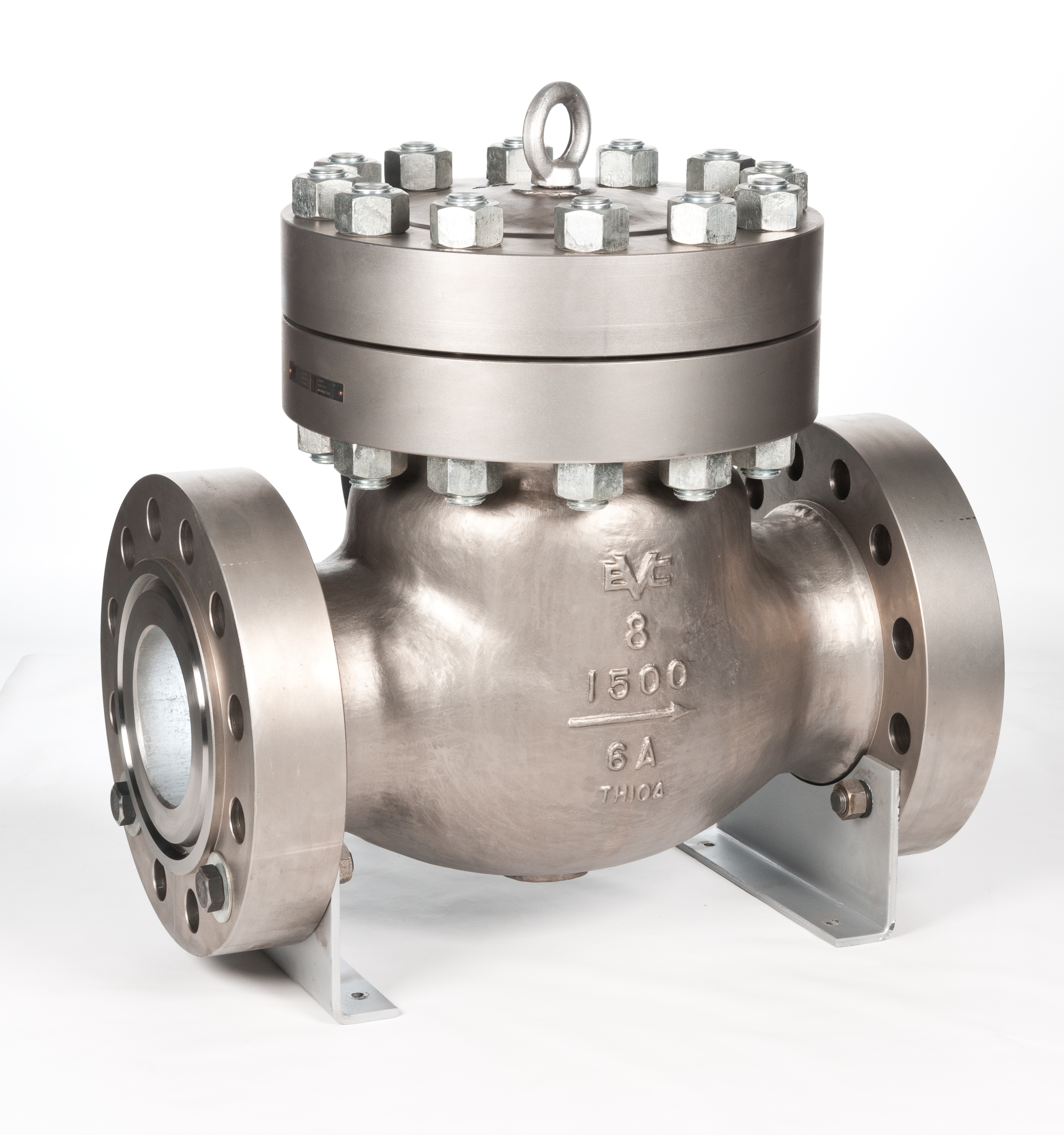
TES-LOK Check Valve
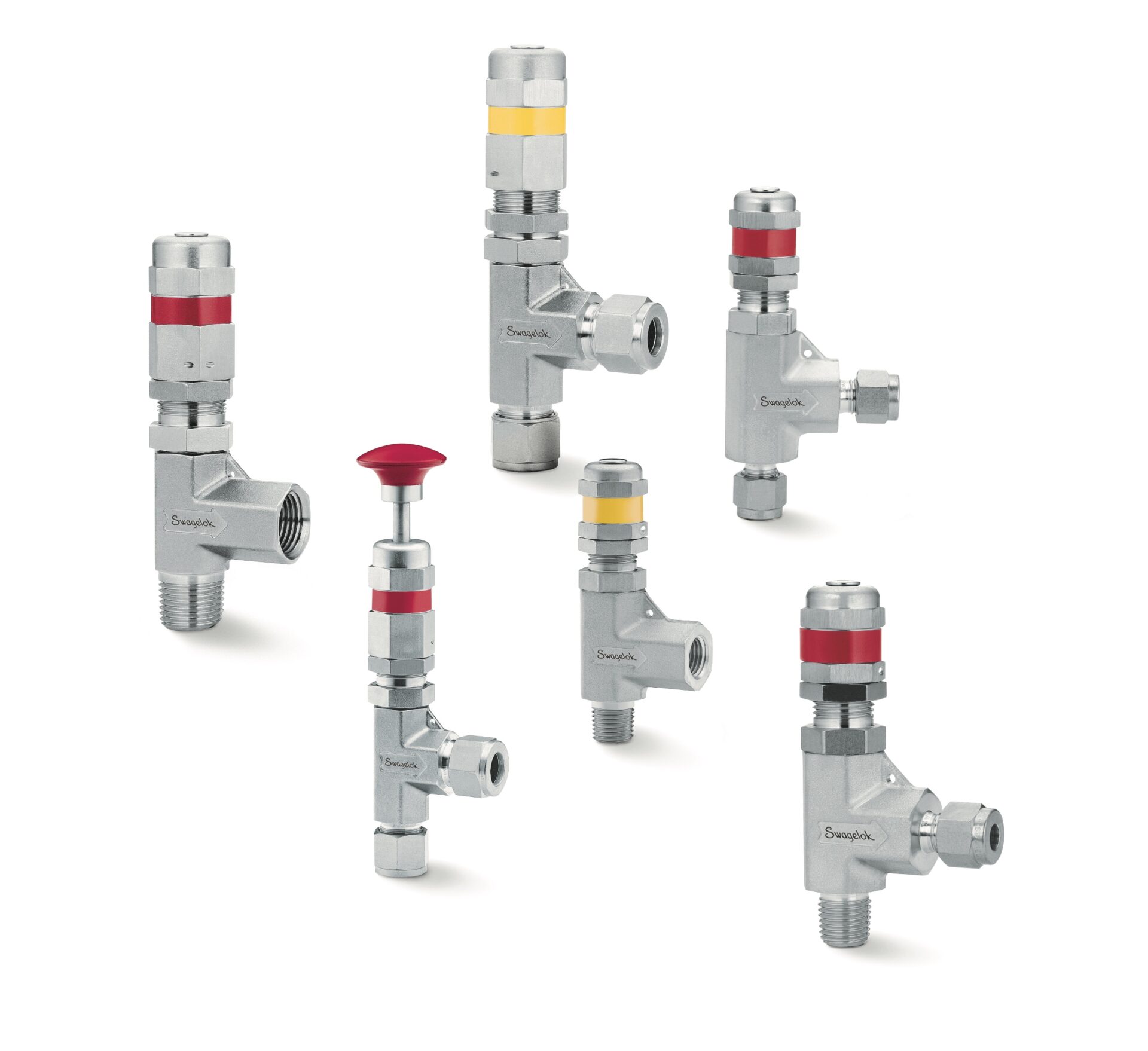
Relief Valve (Related)
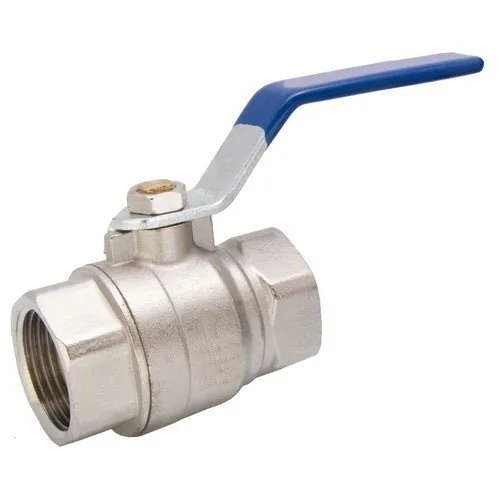
Ball Valve (Related)
Check valves protect pumps and compressors from reverse rotation, stop process media flooding back into instruments, prevent contamination between streams, and hold pressure when a line is isolated. TES-LOK supplies inline spring-poppet check valves with tube-fitting, NPT, BSP, and SAE ends across the full material range.
| Spring / Cracking Pressure | Opens At | Best For |
|---|---|---|
| Light (≈1/3 PSI / 0.03 bar) | Almost any forward flow | Sensitive instrument & gauge lines |
| Standard (1 to 25 PSI) | Moderate forward pressure | General process & pump protection |
| Heavy (up to 100 PSI / 6.9 bar) | Higher forward pressure | Back-pressure, anti-siphon, bias control |
| Type | Closure Element | Characteristics |
|---|---|---|
| Spring Poppet (inline) | Spring-loaded poppet | Compact, any orientation, defined cracking pressure — standard for instrument lines |
| Ball Check | Spring-loaded or free ball | Simple, good for viscous / slurry media |
| Swing Check | Hinged disc/flapper | Low pressure drop, larger lines, mounted in correct orientation |
| Lift Check | Guided disc | Tight shut-off, horizontal/vertical per design |
| Parameter | Details |
|---|---|
| Brand | TES-LOK (Tesco Steel & Engineering) |
| Type | Spring-loaded poppet check (non-return) valve |
| Size | 1/2" to 6" (15 mm to 150 mm) |
| Working Pressure | Up to 3000 PSI (207 bar) @ 70°F (21°C) |
| Cracking Pressure | 1/3 PSI (0.03 bar) to 100 PSI (6.9 bar) |
| Working Temperature | −23°C to 191°C (−10°F to 375°F) |
| Seat | Soft (PTFE / FKM / Buna) or metal seat options |
| Spring | SS 316 / Hastelloy; selectable cracking pressure |
| End Connections | Tube-fitting (twin-ferrule), NPT, BSP (BSPP), BSPT, UNF, SAE, ISO |
| Body Material | SS 316 / 316L, SS 304, Brass, special alloys |
| Options | NACE MR0175 (sour), oxygen-clean, custom cracking pressure |
| Certifications | ISO 9001:2015 | EN 10204 3.1 MTC on request |
| Material | Corrosion / Service | Typical Use |
|---|---|---|
| SS 316 / 316L | Excellent — chloride resistant | General instrumentation, offshore, chemical, marine |
| SS 304 / 304L | Good — general service | Water, air, mild process |
| Brass | Moderate — no ammonia/acids | Pneumatics, low-pressure water |
| Special Alloys | Application-specific | Aggressive / high-temperature media on request |
The spring-loaded poppet snaps shut the instant flow reverses, protecting pumps, compressors, instruments, and process lines from damaging reverse flow.
Springs from ≈1/3 PSI for sensitive instrument lines up to 100 PSI for back-pressure and anti-siphon duty — tuned precisely to the application.
No external operation needed — the valve responds to flow direction alone, opening on forward flow and sealing on reversal.
Soft seats (PTFE / FKM / Buna) give bubble-tight low-pressure sealing; metal seats suit high-temperature and aggressive service.
SS 304, SS 316, Brass, and special alloys, with NACE MR0175 (sour) and oxygen-clean options for demanding media.
Inline spring-poppet design mounts in any orientation in a compact body, integrating directly into instrument tube and process lines.
| Industry | Typical Use Point | Why Check Valve |
|---|---|---|
| Oil & Gas / Offshore | Instrument & sample line protection, pump discharge | Backflow prevention; NACE sour materials |
| Refinery & Petrochemical | Anti-contamination between streams, pump protection | Reliable non-return; full material range |
| Power Generation | Pump & compressor discharge, instrument lines | Prevents reverse rotation & backflow |
| Chemical Processing | Reagent dosing, anti-siphon, stream isolation | SS 316 / special alloys; tuned cracking pressure |
| Pharmaceutical / Lab | Dosing & sampling non-return | Clean SS 316; sensitive low cracking pressure |
| Gas & Analyser Systems | Sample line protection, calibration gas | Tight seal; prevents back-mixing |
| Hydraulics & Test Rigs | Pump & accumulator protection, load holding | High-pressure non-return; fast response |
| Water & Utilities | Pump discharge, anti-siphon | Prevents reverse flow & water hammer |
Q1. What is a check valve?
A check valve (non-return valve) is an automatic valve that allows flow in one direction only and prevents reverse flow. Forward flow pushes a spring-loaded poppet off its seat to open the valve, and when flow stops or reverses, the spring seats the poppet to shut off. No external operation is required — it responds to flow direction alone.
Q2. What is cracking pressure?
Cracking pressure is the minimum forward differential pressure needed to open the check valve. TES-LOK check valves are available from about 1/3 PSI (0.03 bar) for sensitive instrument lines up to 100 PSI (6.9 bar) for back-pressure and anti-siphon duty. The spring is selected to set this value for the application.
Q3. Is a check valve the same as a non-return valve (NRV)?
Yes. "Check valve," "non-return valve (NRV)," and "one-way valve" all refer to the same device — a valve that permits flow in one direction and blocks reverse flow. TES-LOK supplies inline spring-poppet check valves for instrument and process service.
Q4. What pressure and temperature can the valve handle?
TES-LOK check valves are rated up to 3000 PSI (207 bar) at 70°F (21°C), with a temperature range of −23°C to 191°C (−10°F to 375°F). Sizes run from 1/2" to 6" (15 mm to 150 mm), and cracking pressure can be specified from 1/3 to 100 PSI.
Q5. Which way does a check valve get installed?
Install the valve with the flow-direction arrow on the body pointing in the direction of intended (forward) flow. Fitted backwards, it will block forward flow and fail to protect against backflow. The inline spring-poppet design can otherwise be mounted in any orientation.
Q6. What seat options are available?
Soft seats (PTFE, FKM/Viton, or Buna) give bubble-tight sealing on low-pressure and instrument lines, while metal seats suit high-temperature and aggressive service. The seat is selected to match the media, temperature, and sealing requirement.
Q7. Can a check valve be used to throttle or isolate flow?
No. A check valve only controls flow direction; it is not for throttling or manual isolation. Use a needle valve for fine throttling and a ball valve or plug valve for manual isolation. Check valves complement these by preventing backflow.
Q8. Can these valves be supplied for sour or oxygen service?
Yes. Check valves can be supplied to NACE MR0175 / ISO 15156 for sour (H₂S) service with compliant materials and hardness, and oxygen-cleaned for oxygen service. Specify the fluid, pressure, temperature, and required cracking pressure, and we will select the correct body, poppet, spring, and seat.