

TES-LOK relief valves — spring-loaded, adjustable pressure-relief valves that protect instruments, pumps, and systems from over-pressure. When pressure reaches the set point, the valve opens and vents (relieves) flow to keep the system below its safe limit, then reseats as pressure falls. Two series: SRVL to 300 PSI (20.7 bar) and SRVH to 6000 PSI (414 bar). SS 316, SS 304, Brass, and special alloys. Size 1/8" to 1/2". −23°C to 204°C. ISO 9001:2015 certified. Made in India.
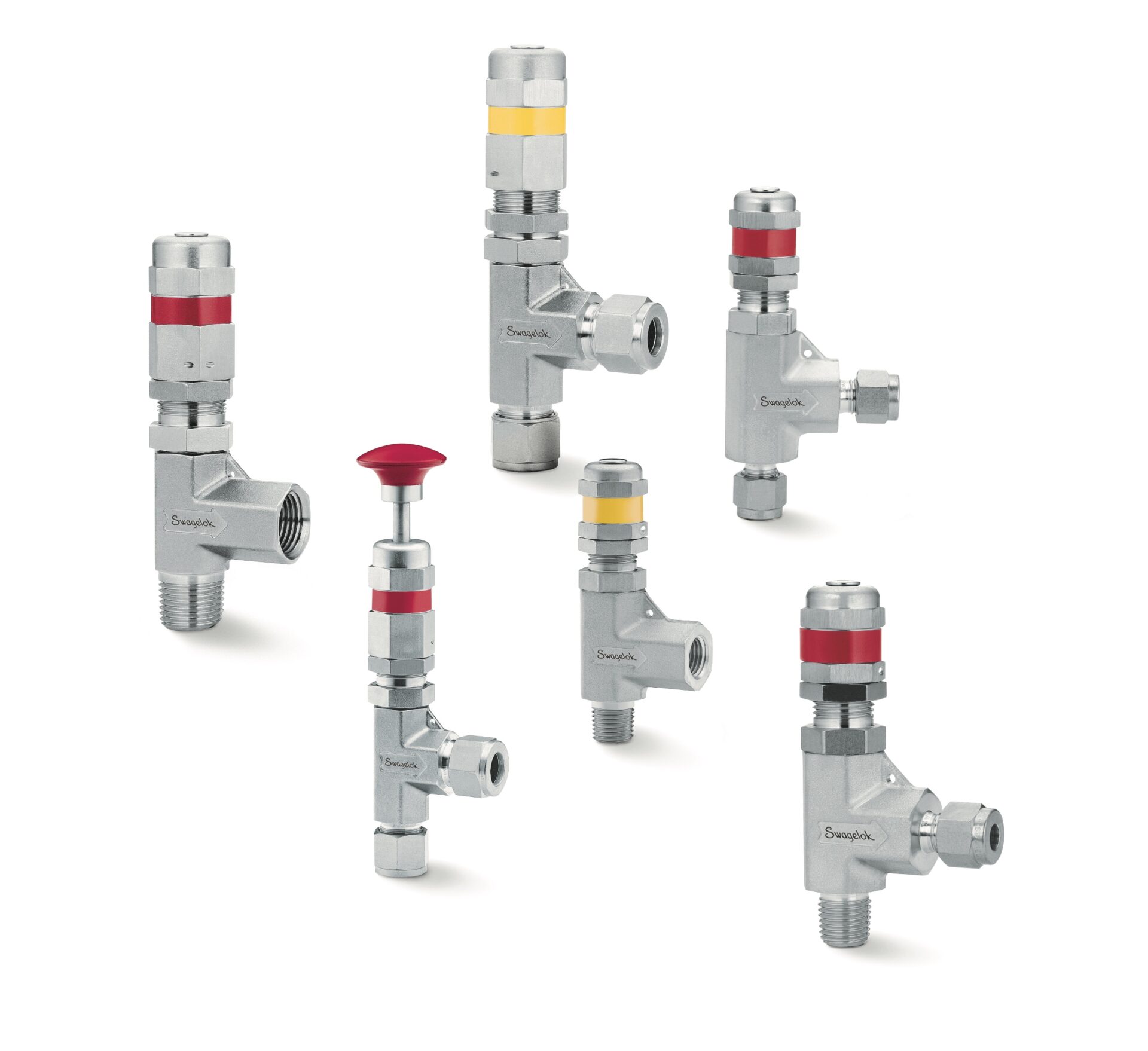
TES-LOK Relief Valve
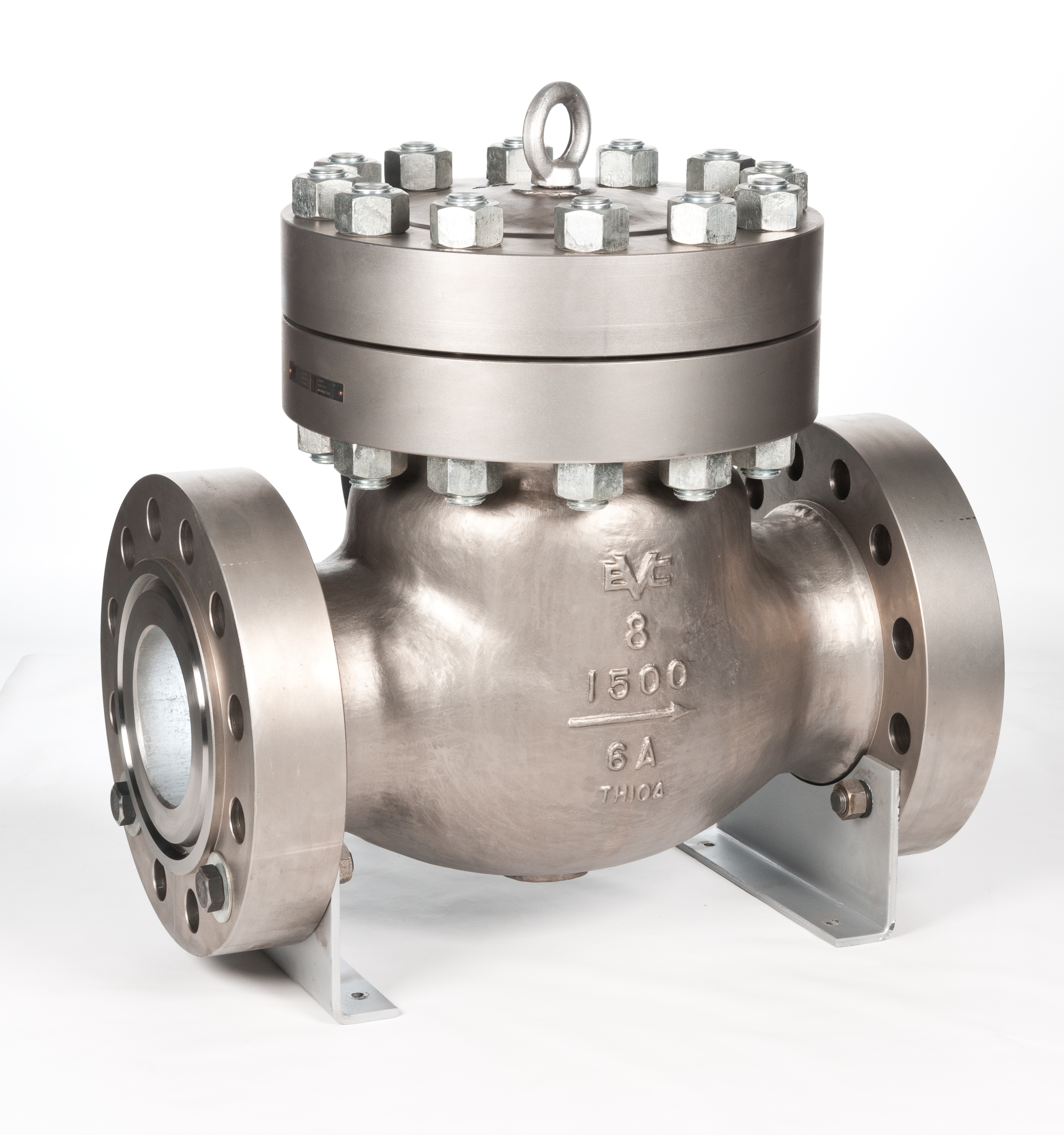
Check Valve (Related)
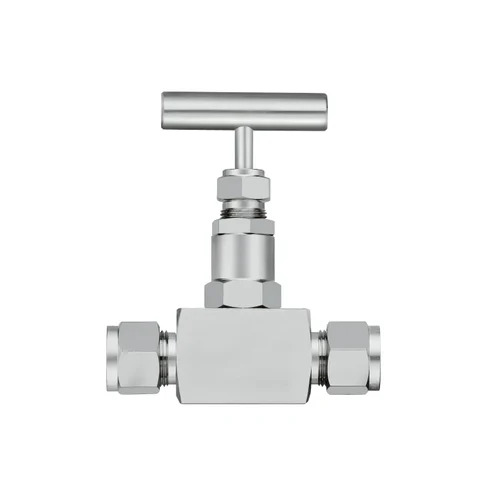
Needle Valve (Related)
Relief valves are essential wherever a pump, accumulator, thermal expansion, or blocked line could over-pressurise equipment. TES-LOK offers two series — SRVL for low-pressure service to 300 PSI and SRVH for high-pressure service to 6000 PSI — in tube-fitting and threaded ends across the full material range.
| Series | Pressure Range | @ Temperature | Typical Use |
|---|---|---|---|
| SRVL (Low) | Up to 300 PSI (20.7 bar) | @ 100°F (38°C) | Low-pressure instrument, air & fluid lines, thermal relief |
| SRVH (High) | Up to 6000 PSI (414 bar) | @ 100°F (38°C) | High-pressure hydraulic, gas & process protection |
| Criterion | Relief Valve | Check Valve |
|---|---|---|
| Purpose | Limit over-pressure (safety) | Prevent reverse flow (non-return) |
| Opens on | Inlet pressure reaching the set point | Forward flow above cracking pressure |
| Set point | Adjustable (spring set) | Fixed cracking pressure |
| Reseats | When pressure falls below set point | When flow stops / reverses |
| Role | Protects against pressure build-up | Protects against backflow |
A relief valve limits pressure; a check valve stops backflow — they solve different problems and are often used together in a system.
| Parameter | Details |
|---|---|
| Brand | TES-LOK (Tesco Steel & Engineering) |
| Type | Spring-loaded adjustable pressure-relief valve |
| Series | SRVL (low pressure), SRVH (high pressure) |
| Size | 1/8" to 1/2" |
| Set / Working Pressure | SRVL up to 300 PSI (20.7 bar); SRVH up to 6000 PSI (414 bar) @ 100°F (38°C) |
| Working Temperature | −23°C to 204°C (−10°F to 400°F) |
| Seat | Soft (PTFE / FKM) or metal seat options |
| Adjustment | Adjustable set pressure (spring); tamper-resistant seal option |
| End Connections | Tube-fitting (twin-ferrule), NPT, BSP (BSPP), BSPT, UNF, SAE, ISO |
| Body Material | SS 316 / 316L, SS 304, Brass, special alloys |
| Options | NACE MR0175 (sour), oxygen-clean, set & tag to required pressure |
| Certifications | ISO 9001:2015 | EN 10204 3.1 MTC on request |
| Material | Corrosion / Service | Typical Use |
|---|---|---|
| SS 316 / 316L | Excellent — chloride resistant | General instrumentation, offshore, chemical, marine |
| SS 304 / 304L | Good — general service | Water, air, mild process |
| Brass | Moderate — no ammonia/acids | Pneumatics, low-pressure water |
| Special Alloys | Application-specific | Aggressive / high-temperature media on request |
Opens precisely at the set pressure to vent excess flow and protect instruments, pumps, and systems from damaging over-pressure.
The set pressure is field-adjustable within the spring range and can be factory set, sealed, and tagged to your required pressure.
SRVL to 300 PSI for low-pressure lines and SRVH to 6000 PSI for high-pressure hydraulic, gas, and process systems.
Soft (PTFE/FKM) or metal seats give bubble-tight shut-off so the valve reseats cleanly with minimal leakage after relieving.
SS 304, SS 316, Brass, and special alloys, with NACE MR0175 (sour) and oxygen-clean options for demanding media.
Small-bore 1/8" to 1/2" bodies with tube-fitting and threaded ends integrate directly into instrument and process hook-ups.
| Industry | Typical Use Point | Why Relief Valve |
|---|---|---|
| Oil & Gas / Offshore | Instrument & hydraulic over-pressure protection | SRVH to 6000 PSI; NACE sour materials |
| Refinery & Petrochemical | Pump, line & vessel protection | Reliable set-point relief; full material range |
| Power Generation | Hydraulic & instrument air protection | Robust high-pressure relief |
| Chemical Processing | Reactor & pump over-pressure, thermal relief | SS 316 / special alloys; tight reseat |
| Hydraulics & Test Rigs | Accumulator & circuit protection | SRVH to 6000 PSI; precise set point |
| Compressed Air / Gas | Receiver & line over-pressure | SRVL low-pressure relief |
| Water & Utilities | Thermal expansion & pump relief | Brass / SS bodies; adjustable |
| Pharmaceutical / Process | Clean-system over-pressure protection | Clean SS 316; sealed set point |
Q1. What is a relief valve?
A relief valve is a spring-loaded safety device that protects a system from over-pressure. When pressure reaches the set point, the valve opens to vent excess flow and keep the system below its safe limit, then reseats as pressure falls. The set pressure is adjustable by changing the spring compression.
Q2. What is the difference between the SRVL and SRVH series?
SRVL is the low-pressure series rated up to 300 PSI (20.7 bar) for instrument, air, and low-pressure fluid lines. SRVH is the high-pressure series rated up to 6000 PSI (414 bar) for high-pressure hydraulic, gas, and process protection. Both are quoted at 100°F (38°C); choose the series to suit the system pressure.
Q3. What is the difference between a relief valve and a safety valve?
A relief valve typically opens proportionally (gradually) as pressure rises above the set point and is used mainly on liquids and gentle systems. A safety valve usually snaps fully open (pop action) and is used on compressible gases and steam. Both protect against over-pressure; the difference is the opening characteristic and the service.
Q4. How is a relief valve different from a check valve?
A relief valve limits over-pressure — it opens when the inlet reaches an adjustable set point and vents the excess. A check valve prevents reverse flow — it opens with forward flow and closes when flow reverses. They solve different problems and are often used together in a system.
Q5. What pressure and temperature can the valve handle?
SRVL relieves up to 300 PSI (20.7 bar) and SRVH up to 6000 PSI (414 bar), both at 100°F (38°C). The working temperature range is −23°C to 204°C (−10°F to 400°F). Sizes run from 1/8" to 1/2".
Q6. Can the set pressure be adjusted and sealed?
Yes. The set pressure is adjustable within the spring range via the adjusting screw, and the valve can be factory set, tested, sealed, and tagged to your required pressure. A tamper-resistant seal prevents the set point being changed in service.
Q7. Where should the relief valve be installed and discharged?
Install it on the line or vessel to be protected, with the inlet on the protected side, and never fit a shut-off valve that could block its inlet or outlet. Pipe the discharge to a safe vent, header, or return line away from personnel, and account for any back-pressure that could affect the set point.
Q8. Can these valves be supplied for sour or oxygen service?
Yes. Relief valves can be supplied to NACE MR0175 / ISO 15156 for sour (H₂S) service with compliant materials and hardness, and oxygen-cleaned for oxygen service. Specify the fluid, set pressure, and temperature, and we will select the correct body, spring, and seat.