

TES-LOK block valves — primary isolation valves that positively shut off instrument and process lines, forming the "block" of block-and-bleed hook-ups. Installed at the process root, the block valve provides the first, tight isolation between the line and the downstream instrument, bleed, or branch — so the instrument can be safely isolated, vented, and serviced. SS 316, SS 304, Brass, Duplex, and Carbon Steel. Size 1/2" to 4". Class 150 to 2500. −50°C to 204°C. ISO 9001:2015 certified. Made in India.
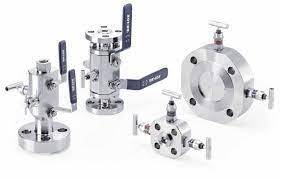
TES-LOK Block Valve
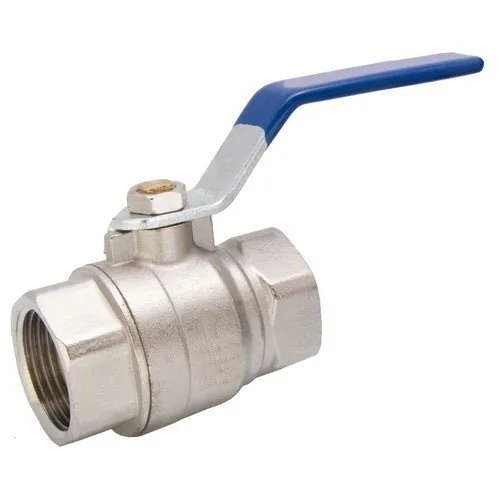
Ball Valve (Related)
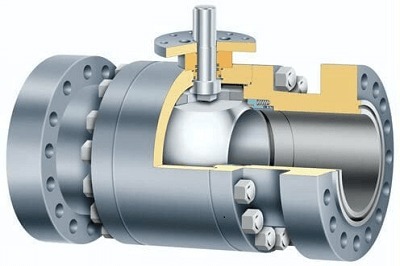
Trunnion Ball Valve (Related)
Reliable blocking is fundamental to plant safety — it isolates pressure and media so work can be done without shutting the whole system down. TES-LOK supplies block valves and single/double block-and-bleed assemblies in Class 150 to 2500 ratings, with threaded, flanged, and tube-fitting connections across the full material range.
| Arrangement | Configuration | Isolation Level | Typical Use |
|---|---|---|---|
| Single Block & Bleed (SBB) | One block + one bleed | Single isolation barrier with vent | General instrument isolation |
| Double Block & Bleed (DBB) | Two blocks in series + bleed between | Two verified barriers, leak-detectable | High-integrity / hazardous service |
See the dedicated block-and-bleed valve and bleed valve pages for the matching bleed elements, and manifold valves that integrate block and bleed in one body.
| Closure | Operation | Characteristics |
|---|---|---|
| Ball | Quarter-turn | Fast, full-bore, low pressure drop — common for primary isolation |
| Needle | Multi-turn | Fine, tight metal-seat shut-off for small-bore instrument roots |
| Gate / Globe | Multi-turn | Robust isolation for larger-bore and higher-rated process lines |
| Parameter | Details | |
|---|---|---|
| Brand | TES-LOK (Tesco Steel & Engineering) | |
| Type | Primary isolation (block) valve; single / double block-and-bleed | |
| Size | 1/2" to 4" | |
| Pressure Rating | Class 150 to 2500 | |
| Working Temperature | −50°C to 204°C (−58°F to 400°F) for stainless steel & duplex assemblies; −46°C to 204°C (−50°F to 400°F) for carbon steel assemblies | |
| Closure | Ball, needle, or gate/globe | |
| Configuration | Single block, single block-and-bleed (SBB), double block-and-bleed (DBB) | |
| End Connections | NPT, BSP (BSPP), BSPT, UNF, SAE, ISO; flanged; tube-fitting | |
| Body Material | SS 316 / 316L, SS 304, Brass, Duplex, Carbon Steel, special alloys | |
| Options | NACE MR0175 (sour), fire-safe, anti-static, locking, oxygen-clean | |
| Certifications | ISO 9001:2015 | EN 10204 3.1 MTC on request |
| Material | Corrosion / Service | Typical Use |
|---|---|---|
| SS 316 / 316L | Excellent — chloride resistant | General isolation, offshore, chemical, marine |
| SS 304 / 304L | Good — general service | Water, air, mild process |
| Duplex / Super Duplex | Excellent — high strength & chloride resistance | Offshore, seawater, sour service |
| Carbon Steel | General — non-corrosive media | Hydraulic & process to 204°C |
| Brass / Special Alloys | Application-specific | Low-pressure or aggressive media on request |
The block valve gives the first, tight isolation between the process line and the instrument or branch — the foundation of safe maintenance.
Supplied as SBB or DBB assemblies, giving one or two verified isolation barriers with an integral bleed for high-integrity service.
Rated from Class 150 up to Class 2500, covering low-pressure instrument roots through to high-pressure process isolation.
SS 304, SS 316, Duplex, Carbon Steel, Brass, and special alloys, with NACE MR0175 (sour) and fire-safe options for demanding service.
Ball for fast full-bore isolation, needle for fine small-bore roots, or gate/globe for robust larger-bore lines — matched to the duty.
NPT, BSP, SAE, flanged, and tube-fitting connections integrate the block valve into roots, manifolds, and process piping.
| Industry | Typical Use Point | Why Block Valve |
|---|---|---|
| Oil & Gas / Offshore | Primary instrument isolation, DBB on hazardous lines | Verified isolation; Duplex & NACE materials |
| Refinery & Petrochemical | Process & instrument root isolation | Class 150–2500; full material range |
| Power Generation | Instrument & sampling isolation | Robust shut-off; reliable blocking |
| Chemical Processing | Corrosive-media isolation, maintenance blocking | SS 316 / Duplex / special alloys |
| Pipelines & Terminals | Double-block-and-bleed isolation | Leak-detectable DBB barriers |
| Gas Processing | High-pressure isolation & metering roots | High Class rating; tight seal |
| Hydraulics & Test Rigs | System isolation for maintenance | Positive blocking; high pressure |
| Shipbuilding & Marine | Instrument & process isolation | SS 316 / Duplex salt resistance |
Q1. What is a block valve?
A block valve is a primary isolation valve whose role is to positively shut off ("block") the flow between a process line and what is downstream — an instrument, bleed, branch, or pipe section. It provides the first line of isolation for maintenance and instrument removal, and combined with a bleed valve forms a block-and-bleed arrangement.
Q2. What is the difference between single and double block-and-bleed?
Single block-and-bleed (SBB) uses one block valve plus a bleed — a single isolation barrier with a vent. Double block-and-bleed (DBB) uses two block valves in series with a bleed between them, giving two verified, leak-detectable barriers. DBB is used on hazardous or high-integrity service where a single barrier is not sufficient.
Q3. How is a block valve different from a bleed valve?
A block valve isolates (blocks) the line; a bleed valve vents the trapped section once it is blocked. They work together: you block first to isolate, then bleed to depressurise and prove the isolation before working on the instrument.
Q4. What pressure rating and temperature can the valve handle?
TES-LOK block valves are rated Class 150 to 2500. The temperature range is −50°C to 204°C (−58°F to 400°F) for stainless steel and duplex assemblies, and −46°C to 204°C (−50°F to 400°F) for carbon steel assemblies. Sizes run from 1/2" to 4".
Q5. What closure types are available?
Block valves are offered with ball (quarter-turn, full-bore), needle (multi-turn, fine metal-seat), or gate/globe (robust, larger-bore) closures. Ball closures are common for fast primary isolation; needle closures suit small-bore instrument roots; gate/globe suit larger or higher-rated process lines.
Q6. Should I block before or after I bleed?
Always block first. Close the block valve to isolate the line, then open the bleed to vent the trapped section and confirm zero pressure. Bleeding a live, unblocked line releases full process pressure and is hazardous. On DBB, also verify both blocks hold by checking the intermediate bleed.
Q7. What end connections are available?
NPT, BSP (BSPP), BSPT, UNF, SAE, and ISO threads, flanged ends per the Class rating, and tube-fitting ends. This lets the block valve mount at threaded or flanged process roots and integrate with manifolds and tube systems.
Q8. Can these valves be supplied for sour or fire-safe service?
Yes. Block valves can be supplied to NACE MR0175 / ISO 15156 for sour (H₂S) service with compliant materials and hardness, with fire-safe and anti-static designs, and oxygen-cleaned for oxygen service. Specify the fluid, pressure class, and temperature, and we will select the correct body, closure, and seats.